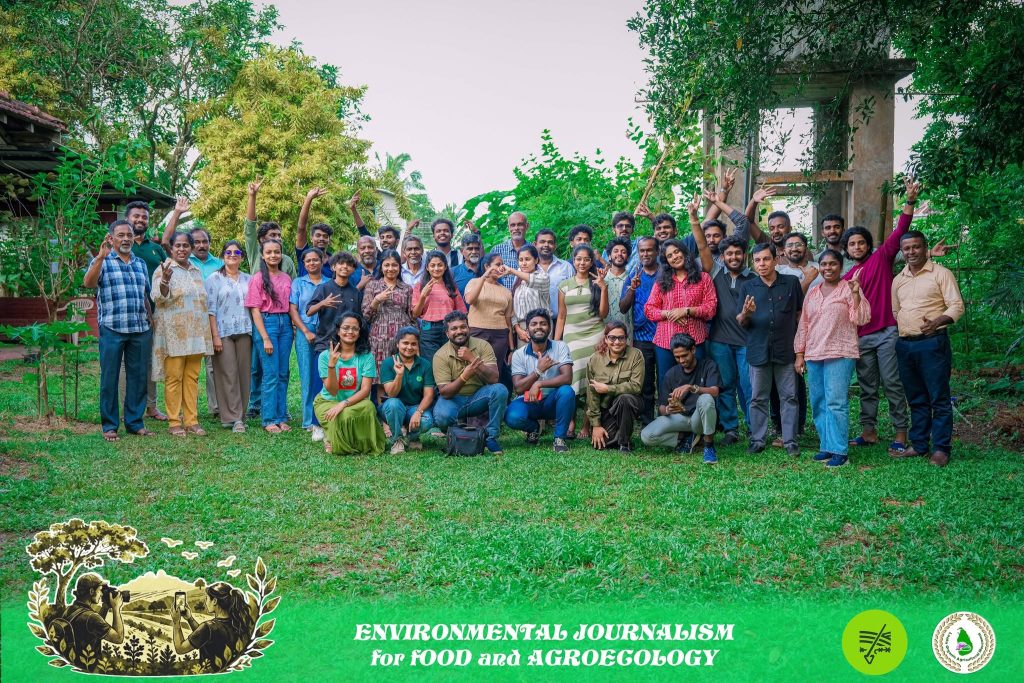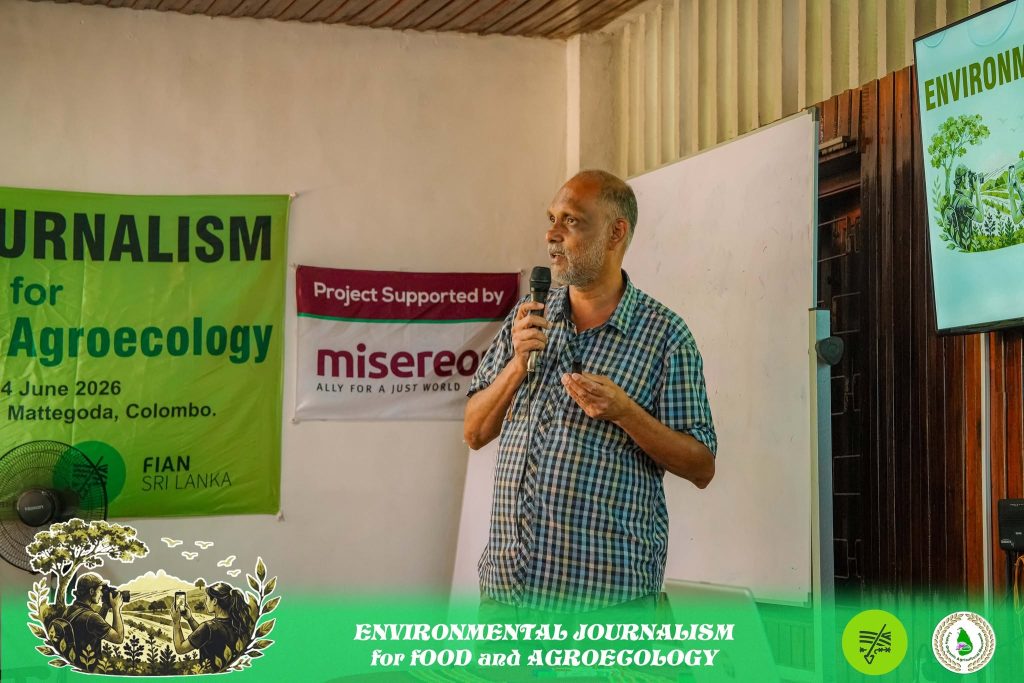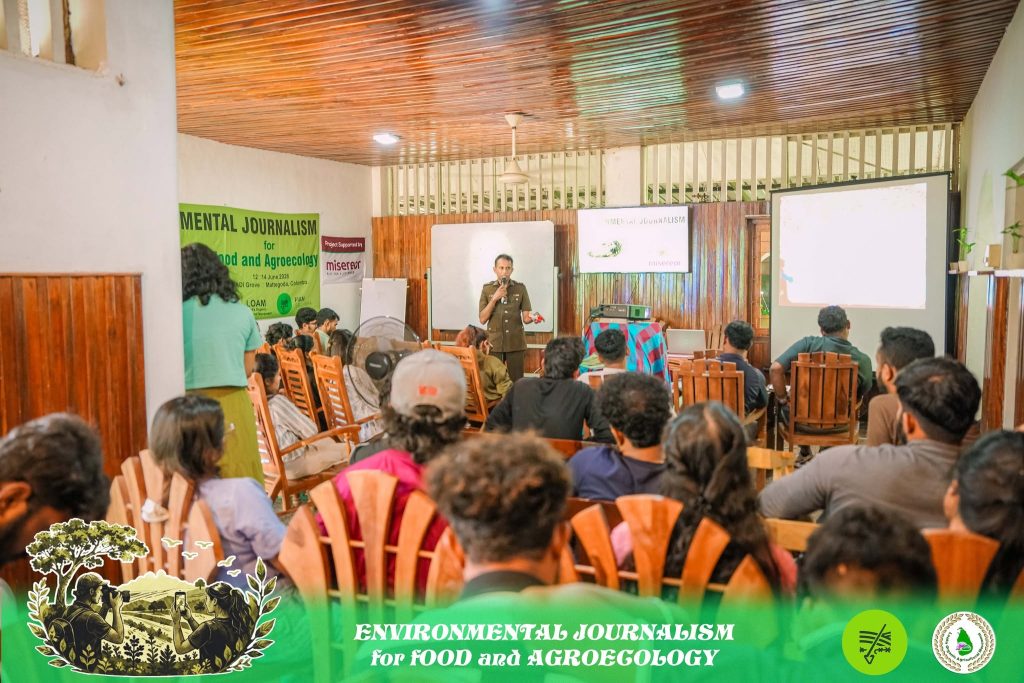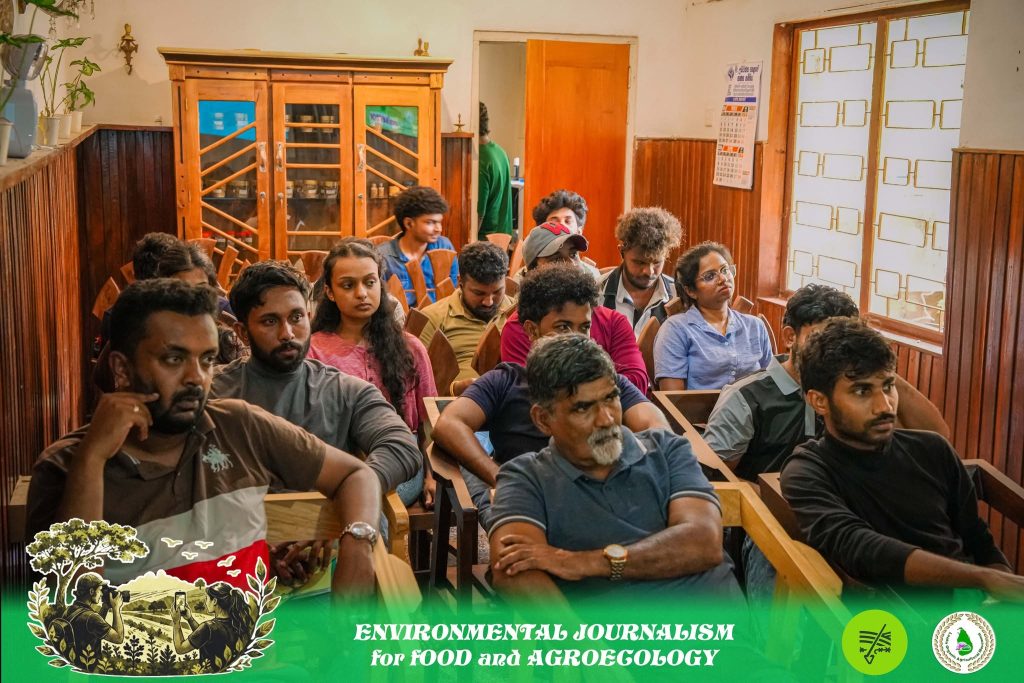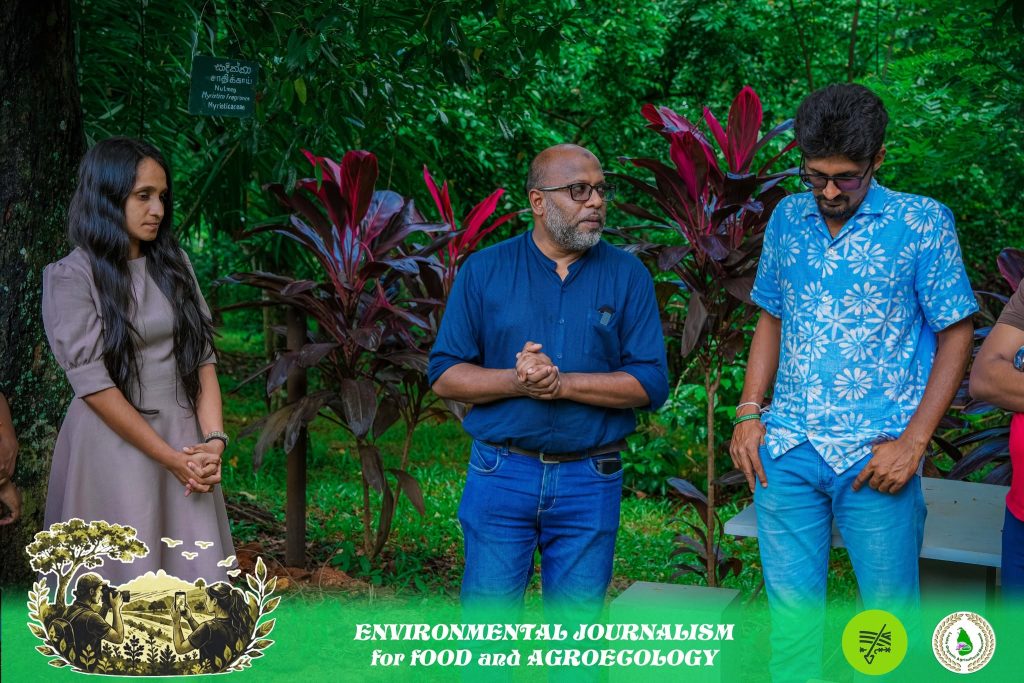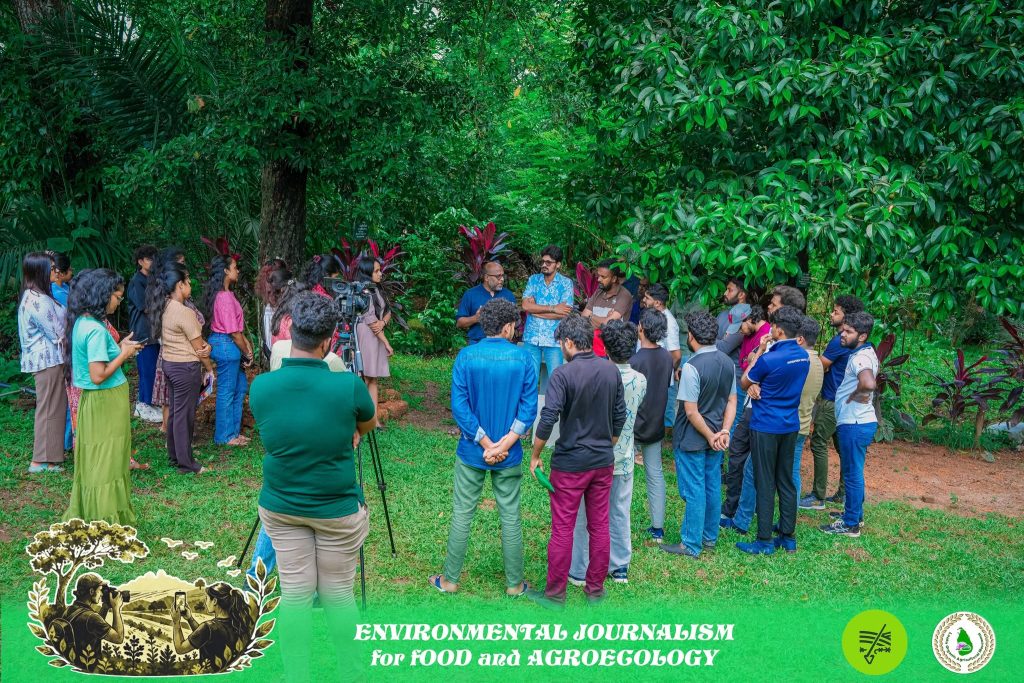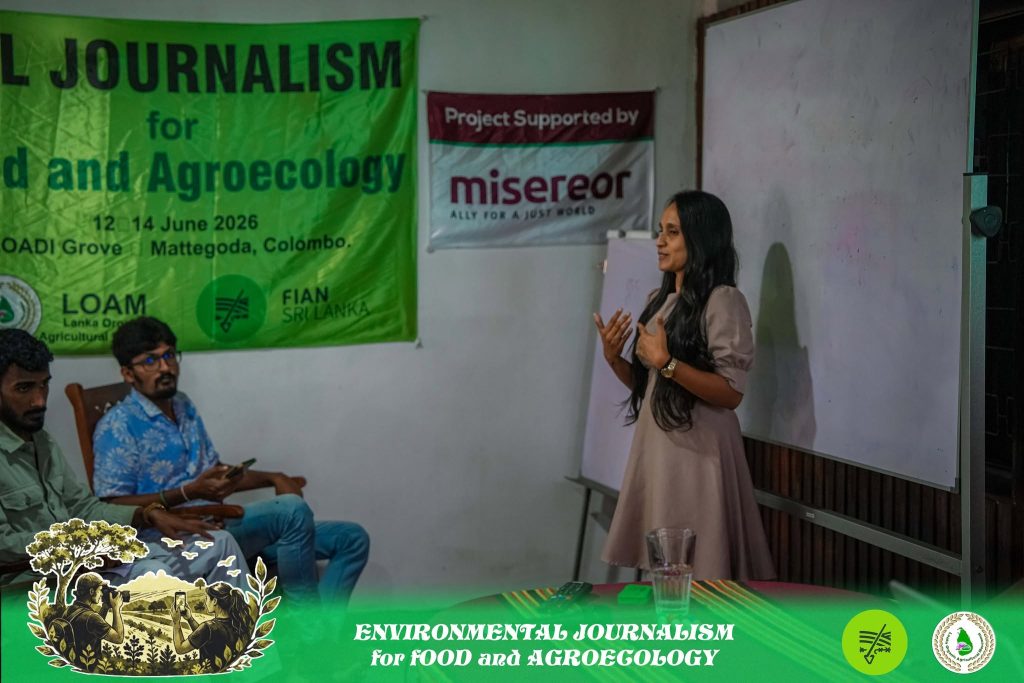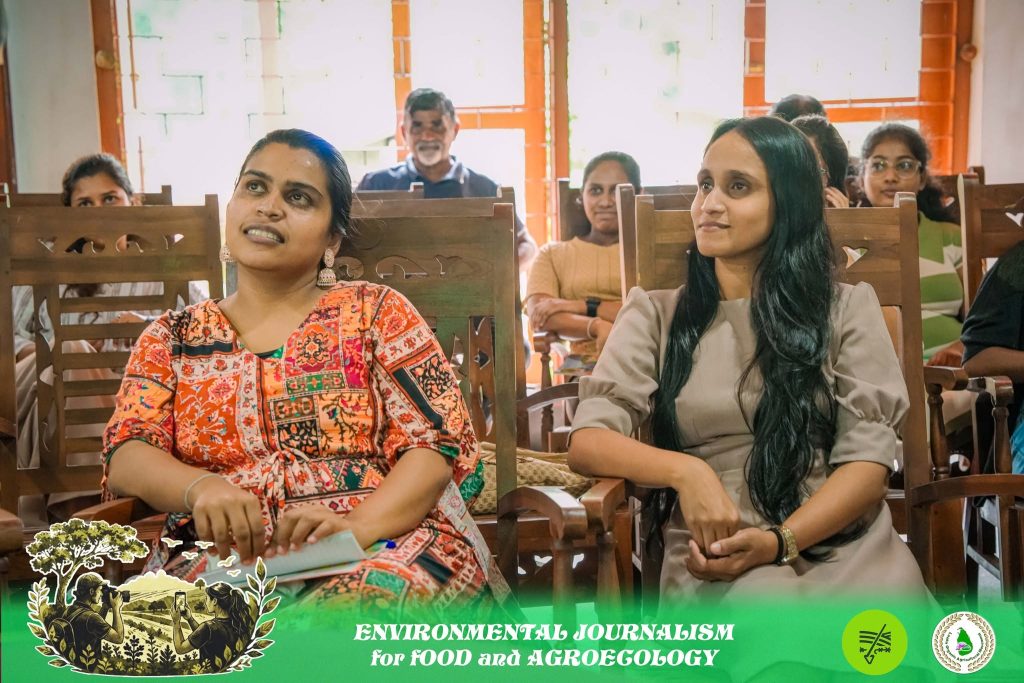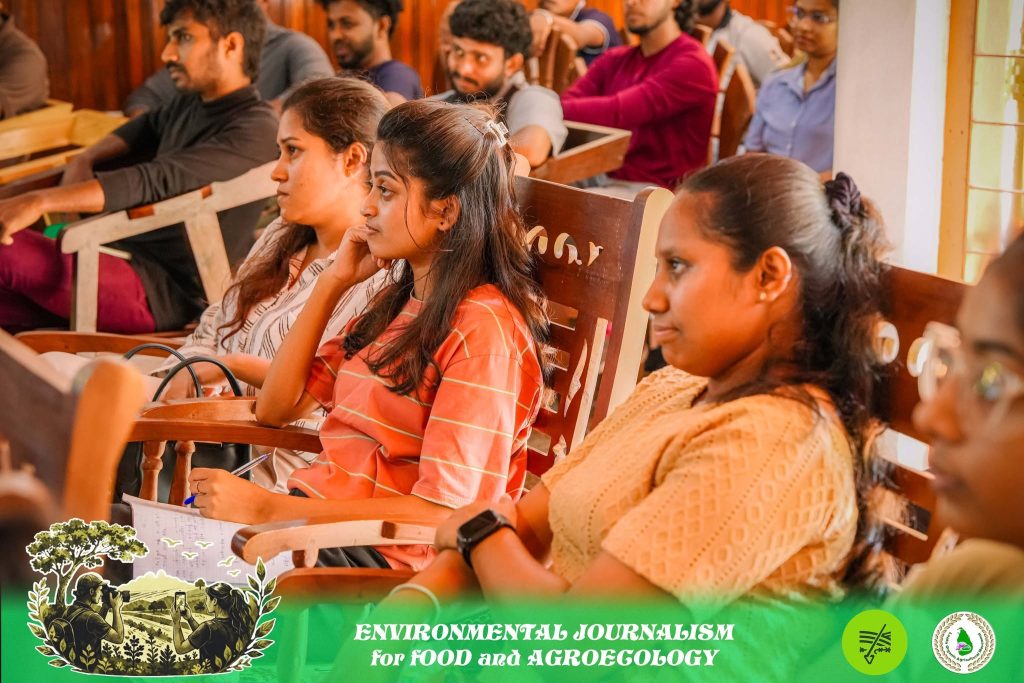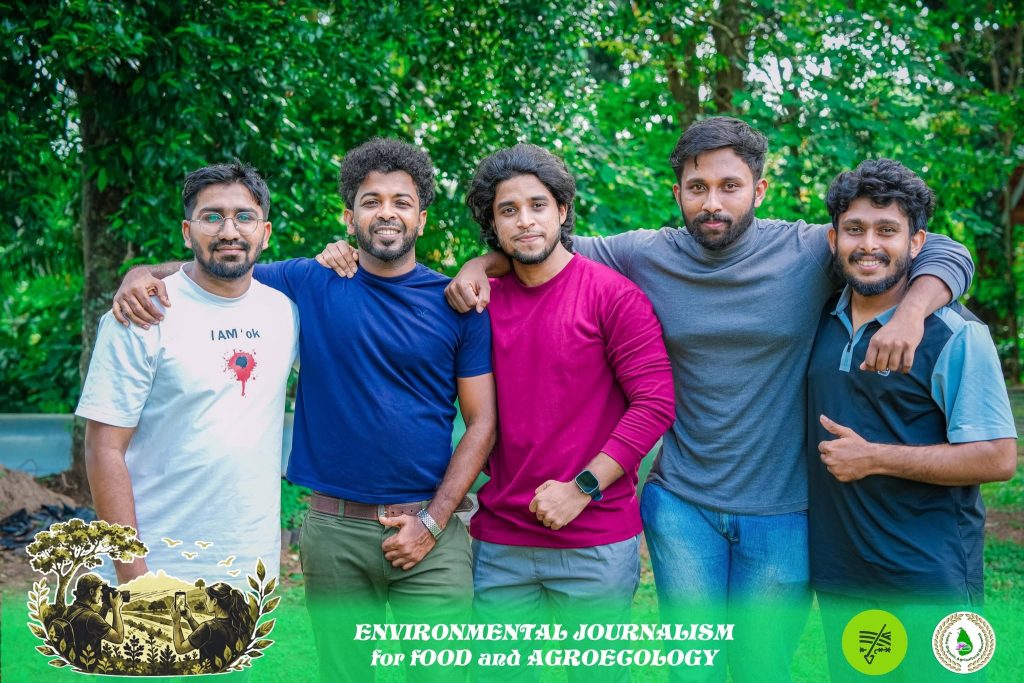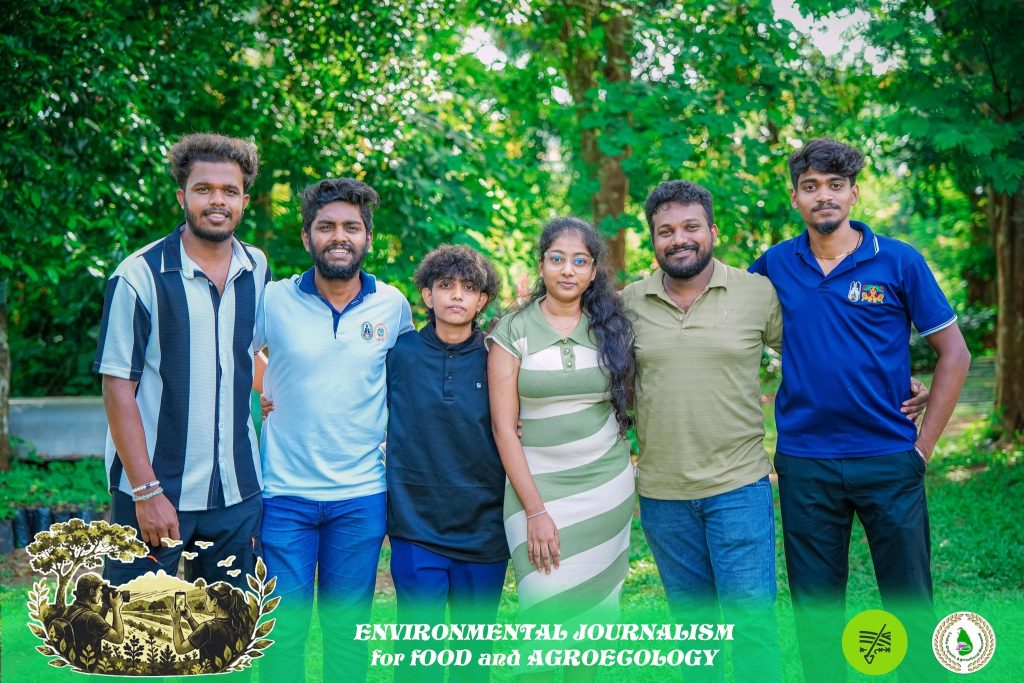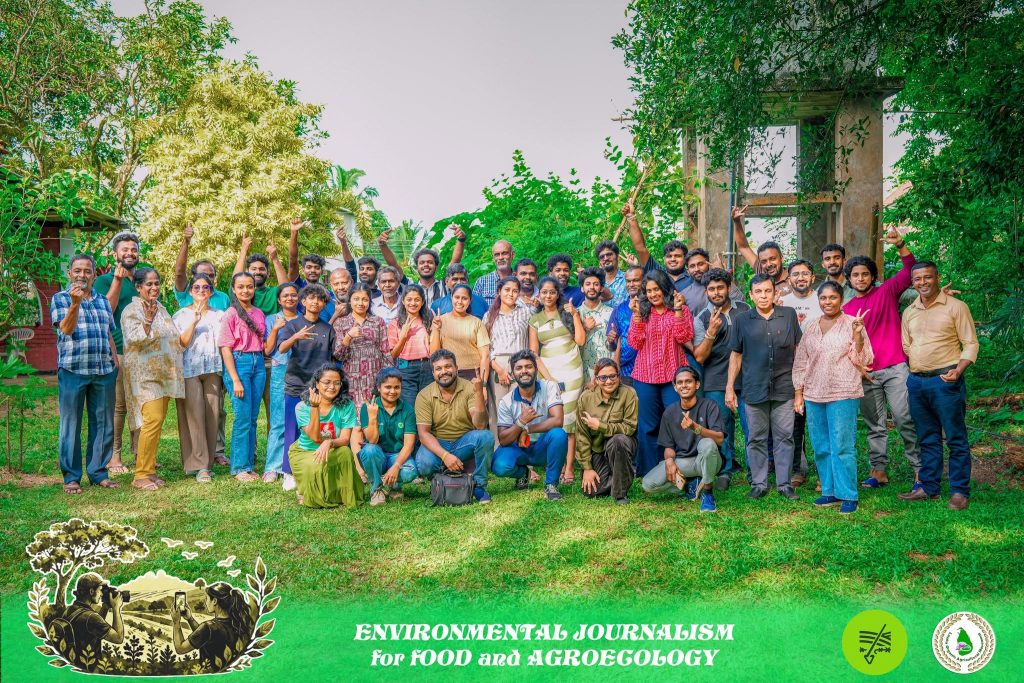
The three-day Environmental Journalism Workshop, organized with the aim of promoting more responsible, accurate, and sensitive media reporting on food sovereignty, agroecology, biodiversity conservation, and sustainable food systems in Sri Lanka, was successfully concluded on 14 June at the Lodi Grove Research and Training Centre in Mattegoda. The programme was supported by Misereor.
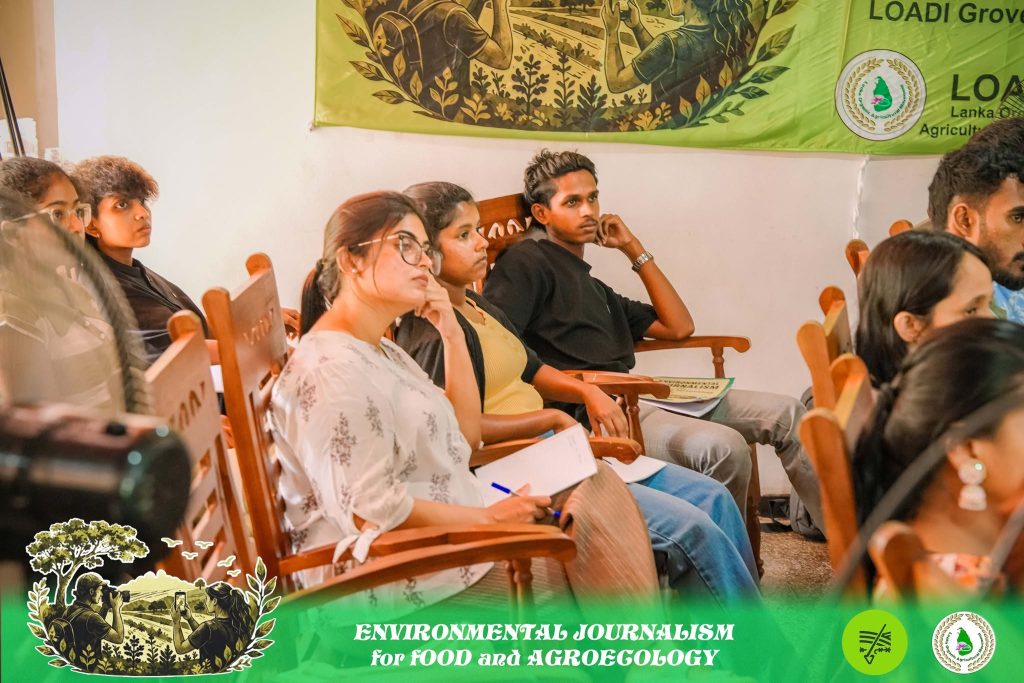
This workshop brought together young people aspiring to work as community communicators, social activists, and individuals interested in the media field. Over the course of three days, it developed into a rich learning space combining knowledge sharing, critical discussions, and practical training.
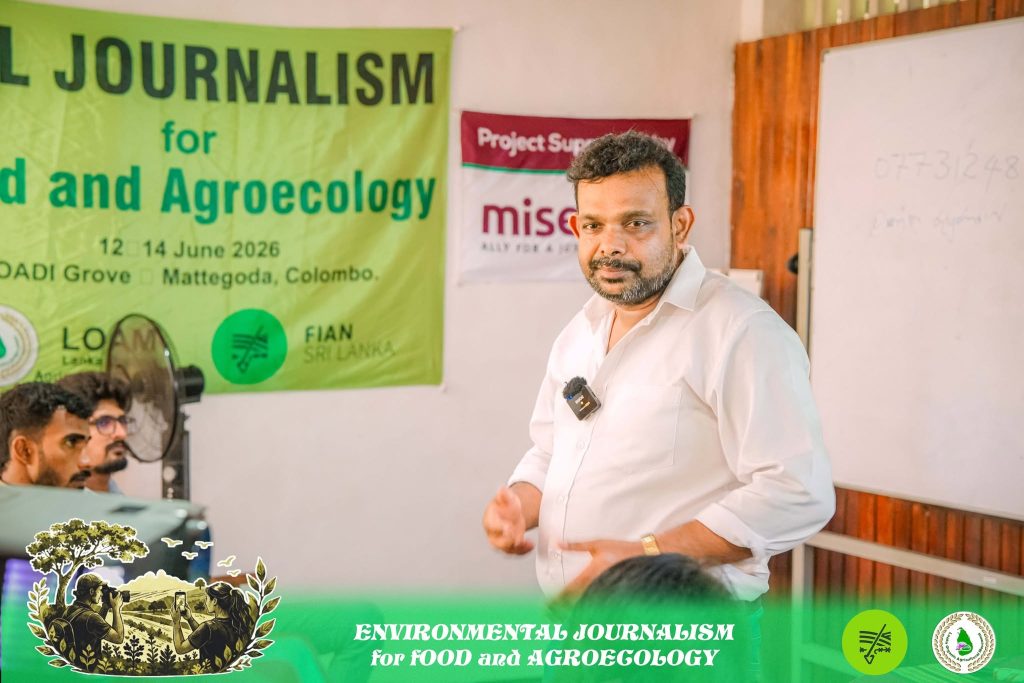
On the first day, participants gained a strong understanding of the interconnections between food, culture, society, and the environment through sessions on food and culture, biodiversity, ecosystem conservation, food forests, ecological agriculture, and bio-based farming systems. The second day was entirely dedicated to Mobile Journalism (MOJO).
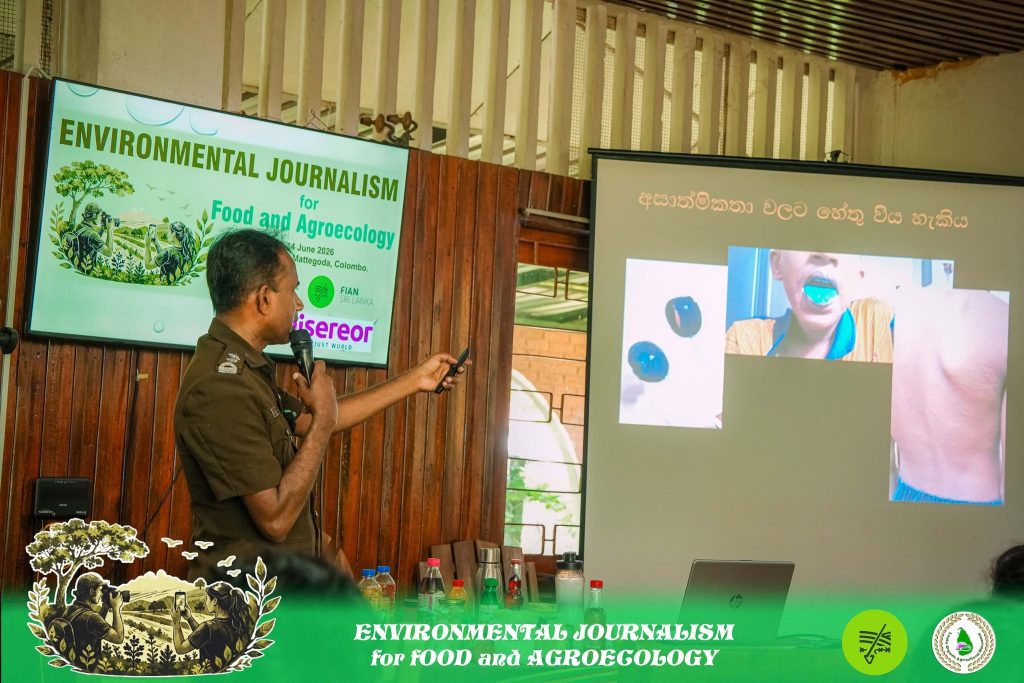
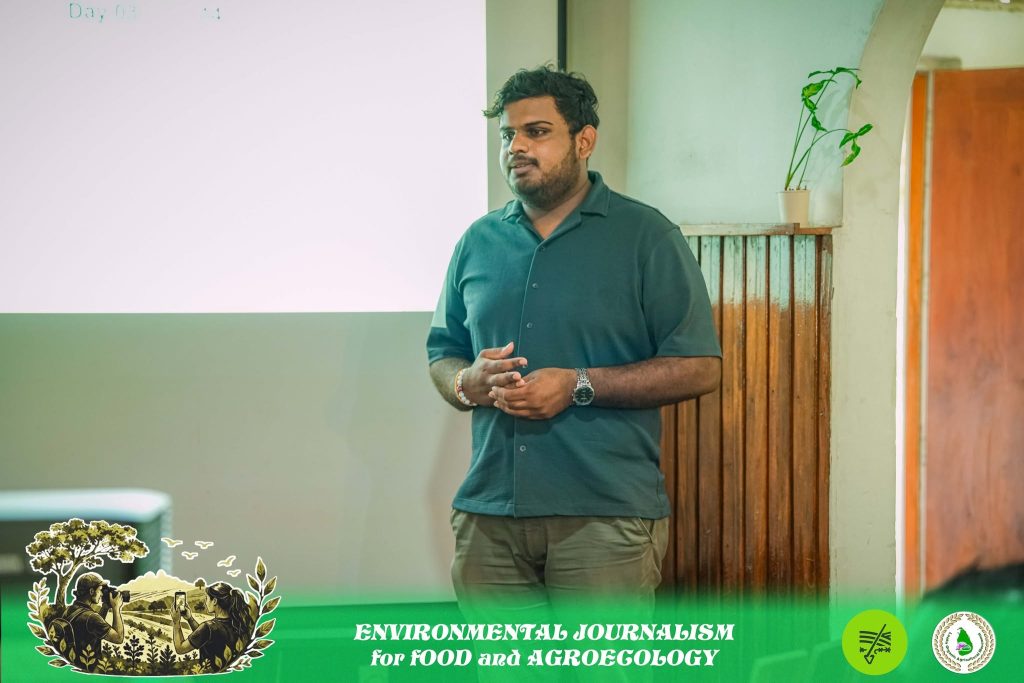
The final day of the workshop featured several important sessions focusing on food, nutrition, climate change, sustainable food systems, and investigative journalism.
The session on “Food and Nutrition” was conducted by Public Health Inspector Mr. G. S. Perera, while Mr. Faszli Mohamed, Food Programme Specialist at FIAN Sri Lanka, shared insights on sustainable food systems, the right to food, climate change, and global warming.
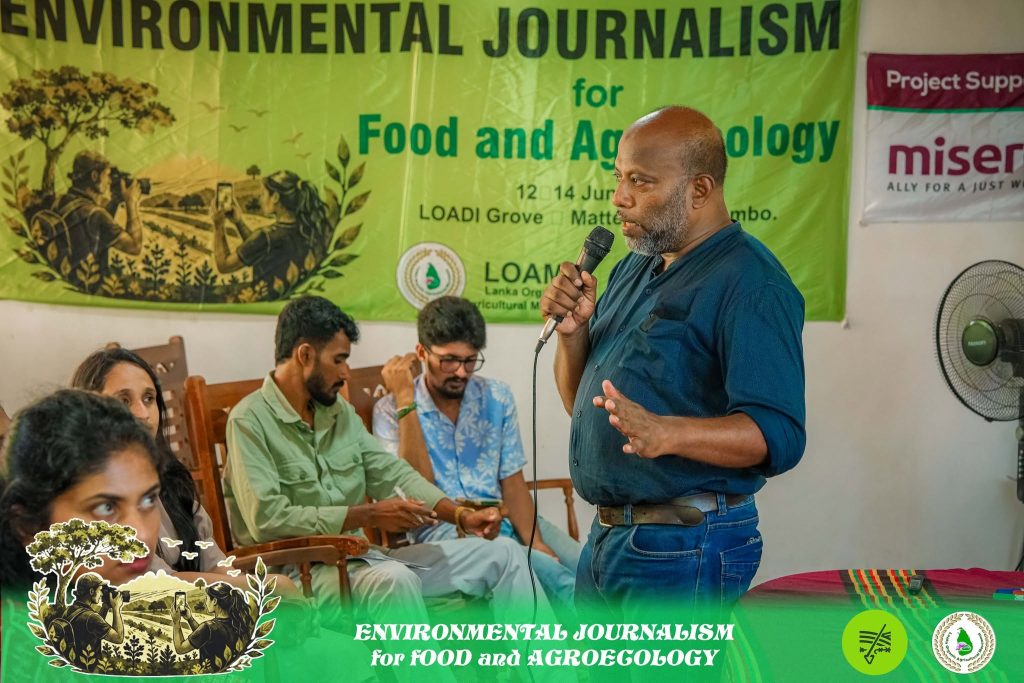
This was followed by an engaging session on investigative journalism conducted by experienced investigative journalist Mr. Lasantha Ruhunage, who shared his expertise on the principles, challenges, and social responsibility of investigative reporting.
The final session of the workshop, titled “Nutritious Food and Communication”, was conducted by journalist and Convener of the Free Media Movement **Mr. Lasantha de Silva, who highlighted the critical role of media in ensuring the accurate dissemination of information in society.
By the end of the three-day programme, participants had gained not only a deeper understanding of food sovereignty, agroecology, biodiversity, sustainable food systems, and environmental issues, but also the media and communication skills required to report on these issues in a responsible, creative, and impactful manner.
This workshop can be seen as an important step towards nurturing a new generation of community communicators who will raise their voices for food sovereignty, environmental conservation, and sustainable development in Sri Lanka.
This three-day residential workshop marks only the initial phase of the Environmental Journalism Training Programme. A series of 10 online sessions is planned to continue the learning process and cover the remaining thematic areas. Certificates will be awarded to participants who successfully complete the full programme. In addition, in order to ensure linguistic inclusion and broader outreach, a similar Environmental Journalism Workshop for Tamil-speaking participants is also planned in the near future.
We extend our sincere gratitude to all participants, resource persons, the organizing team, and Misereor for their valuable support.