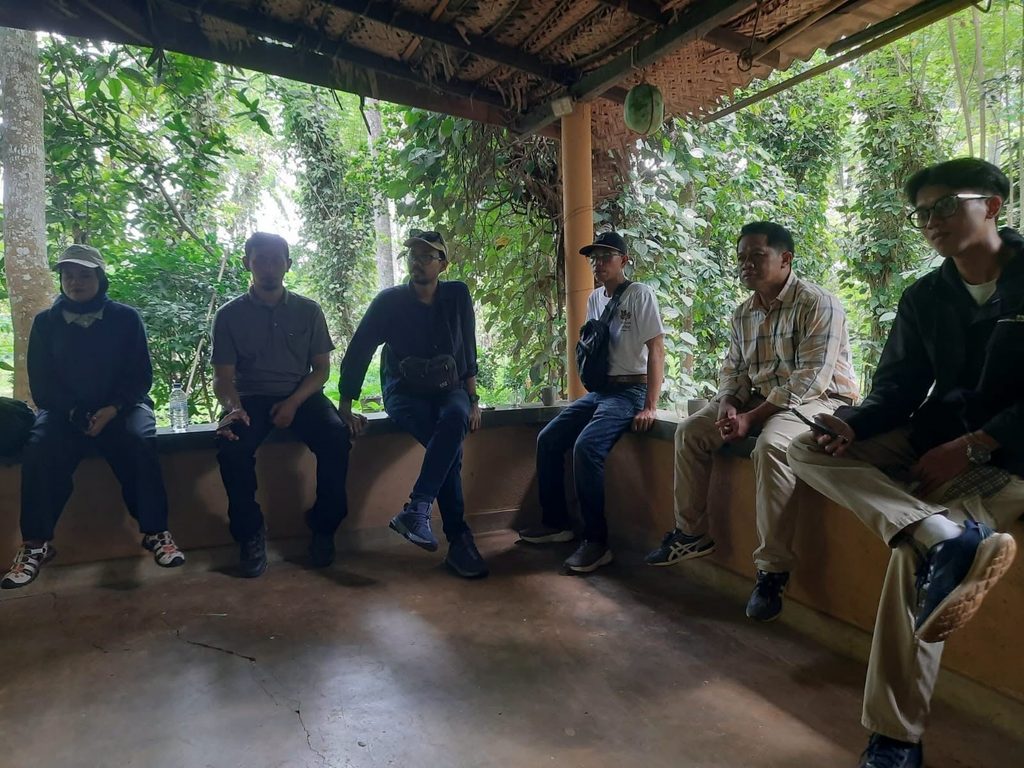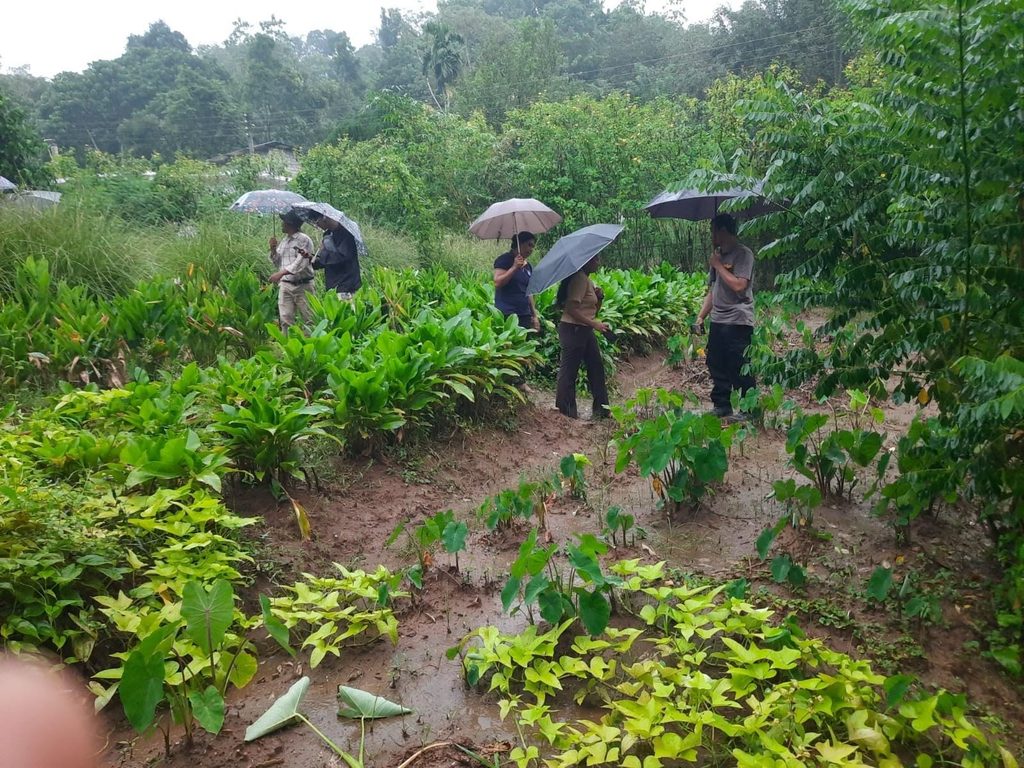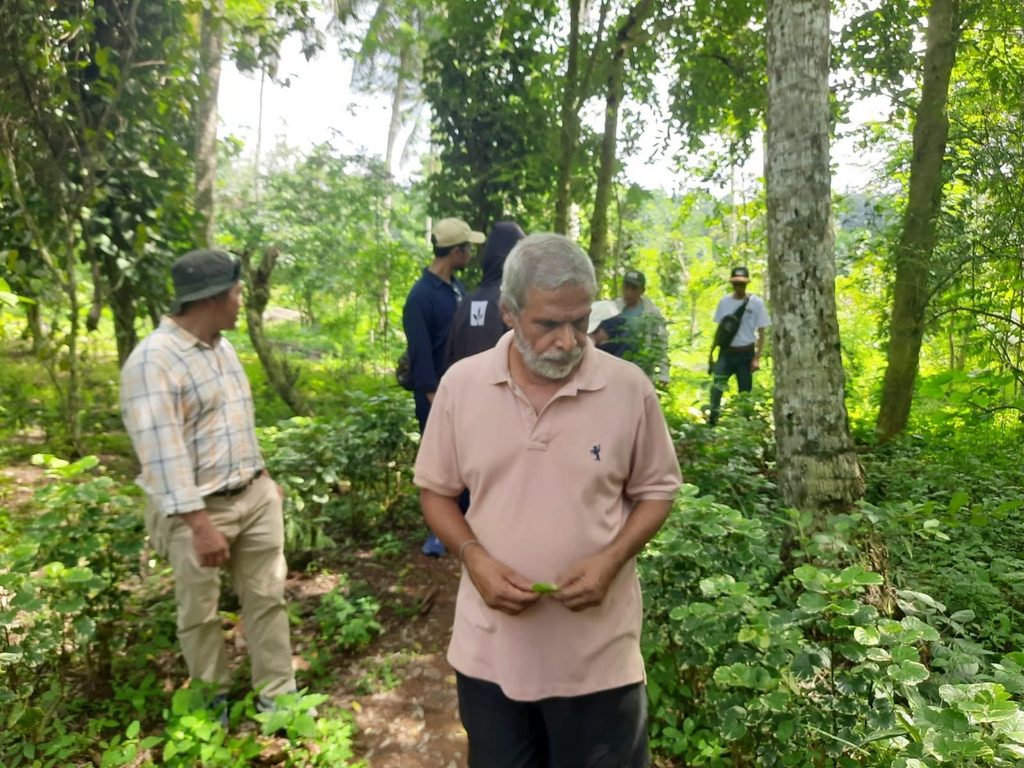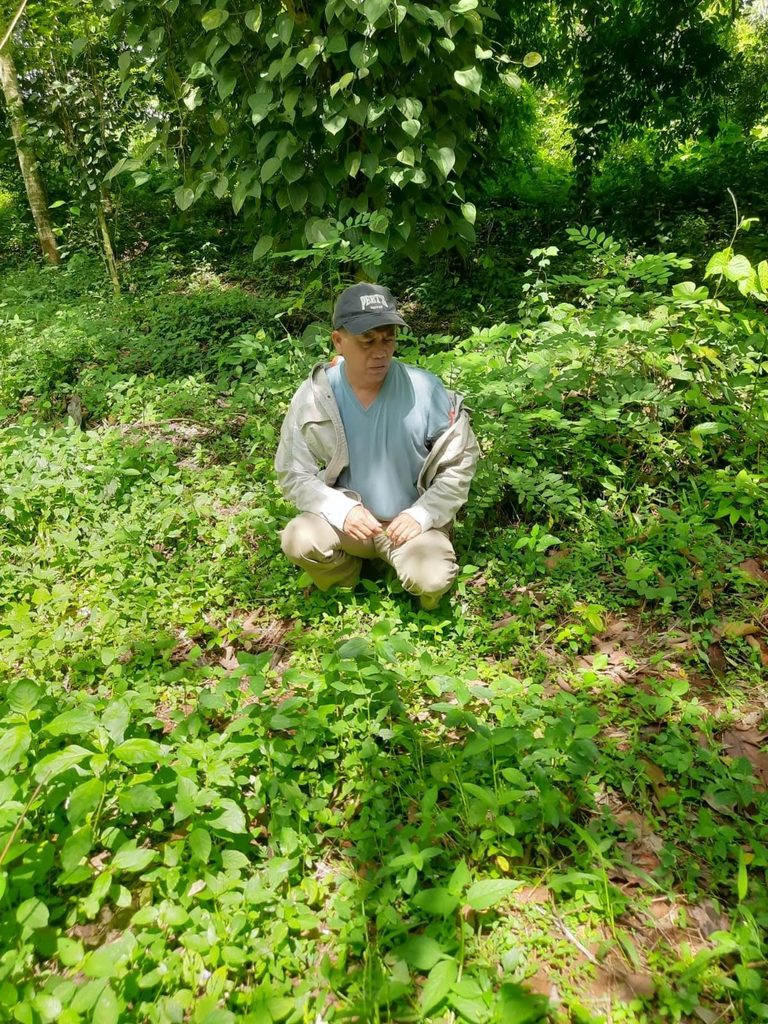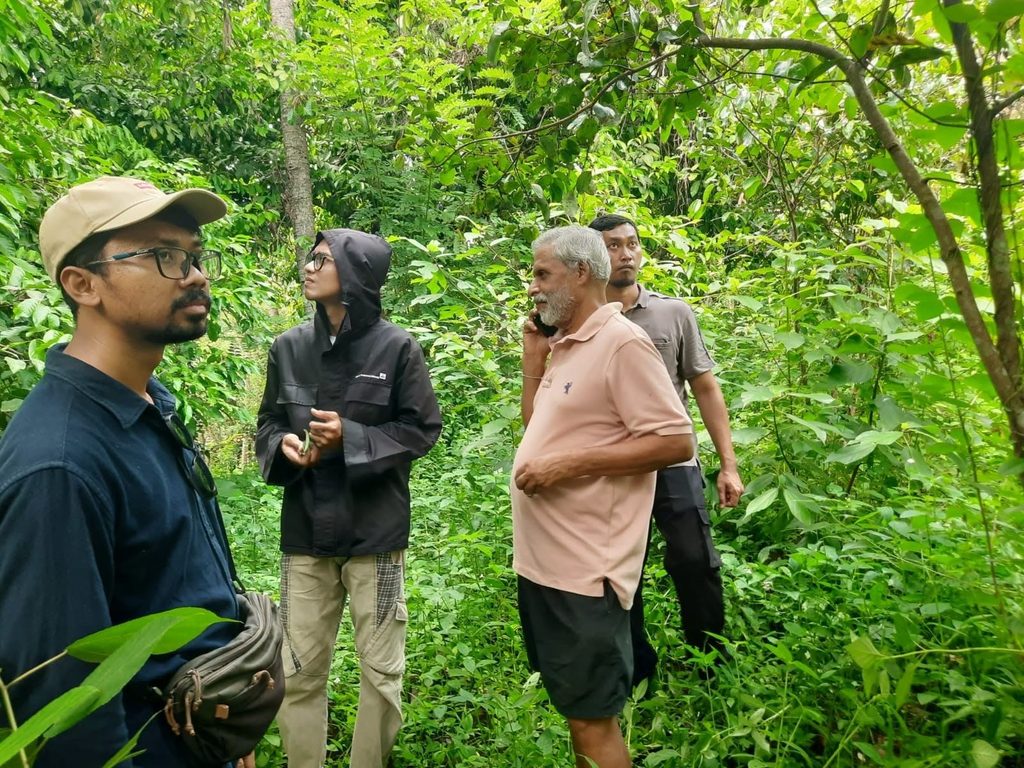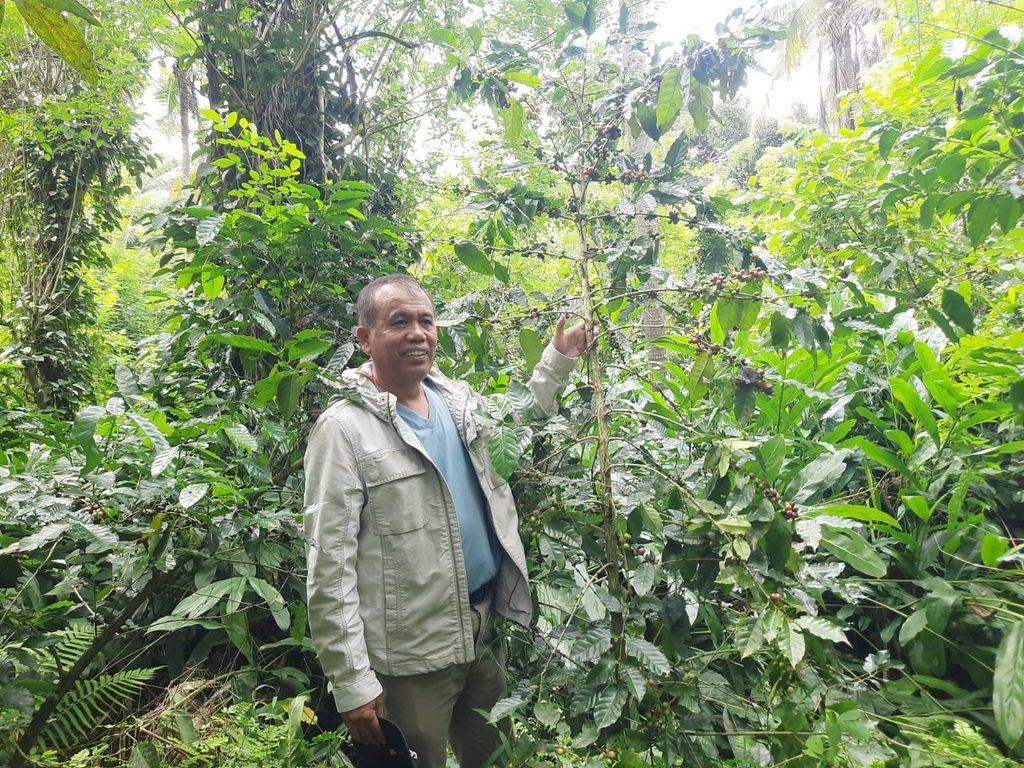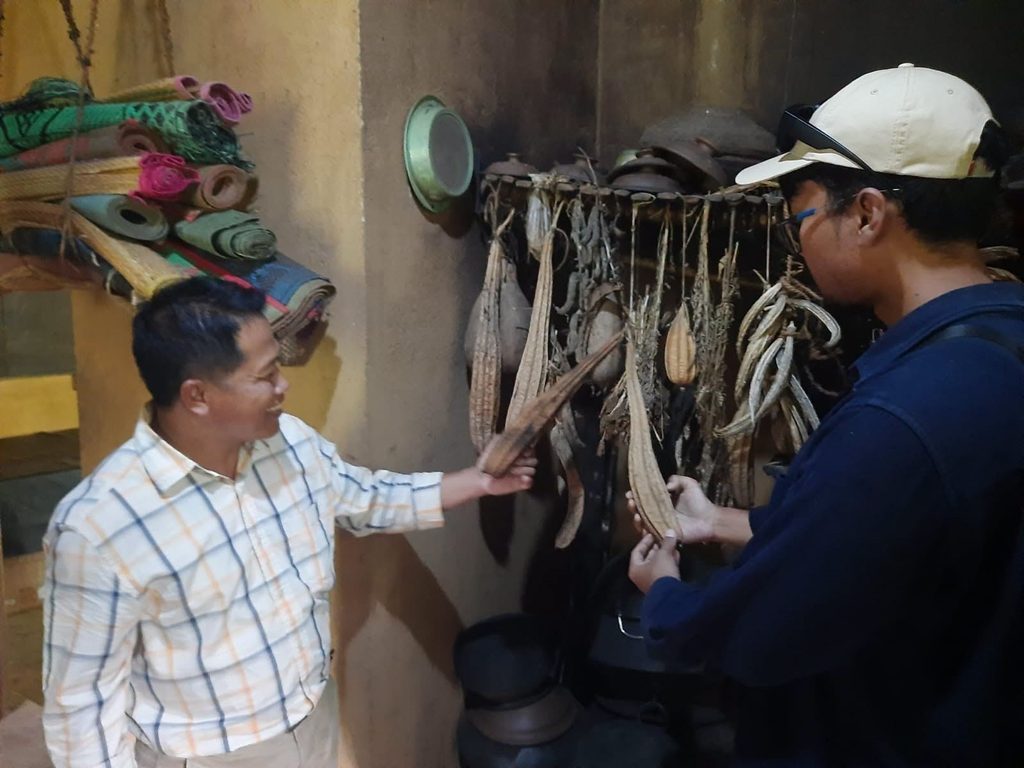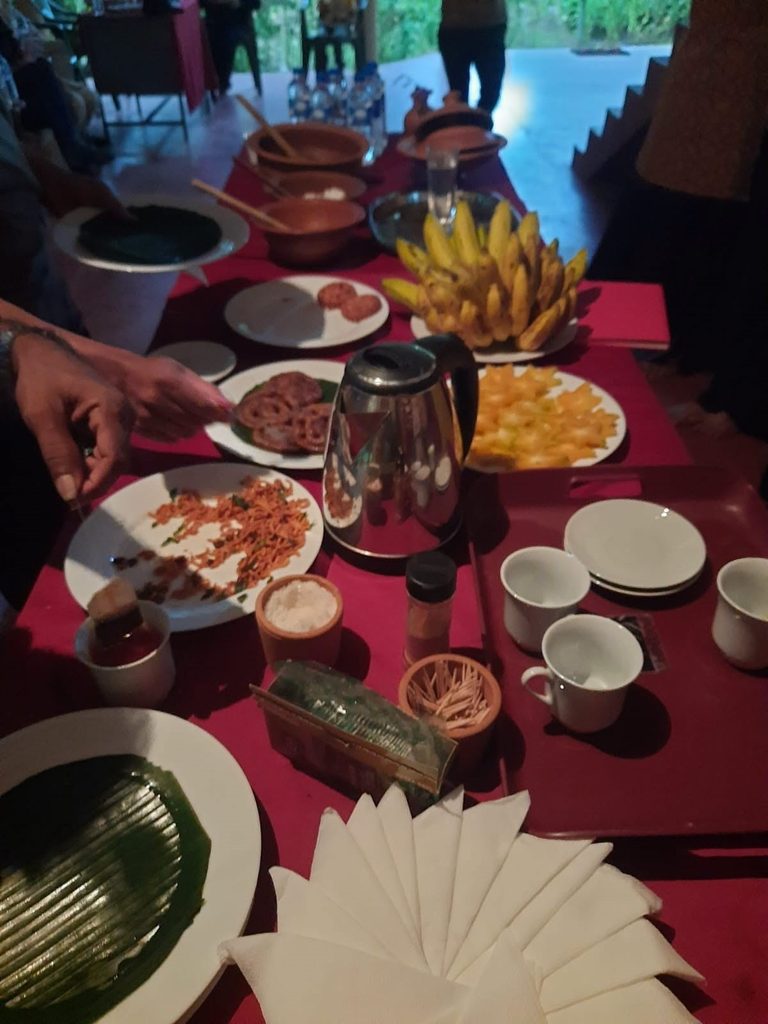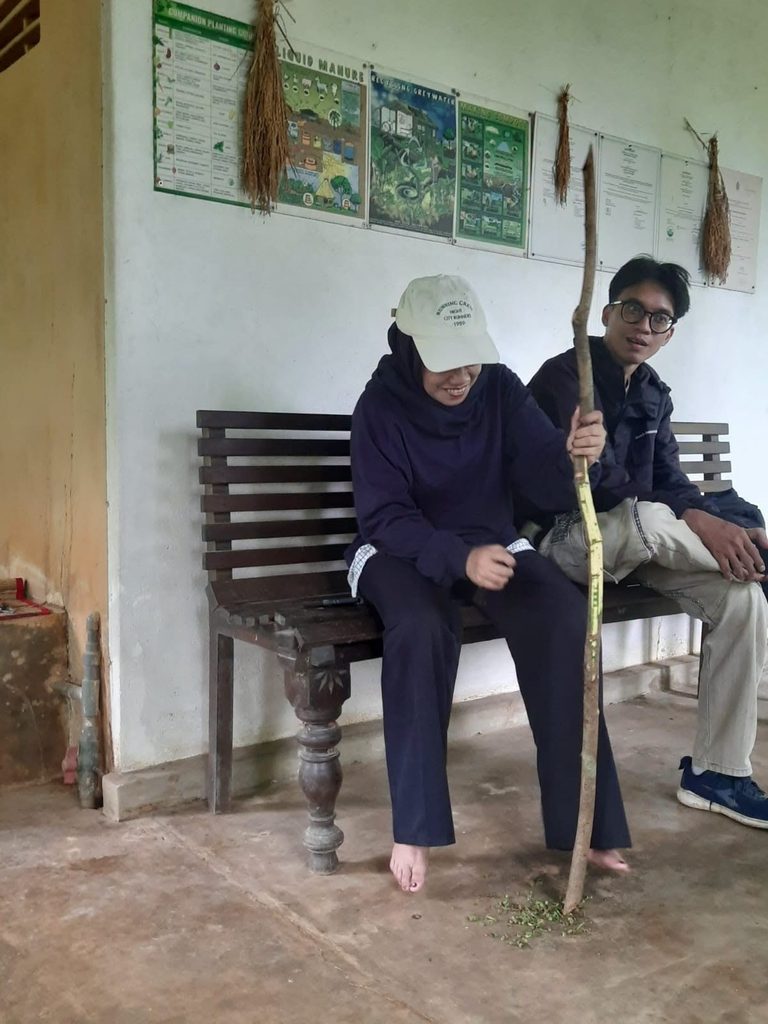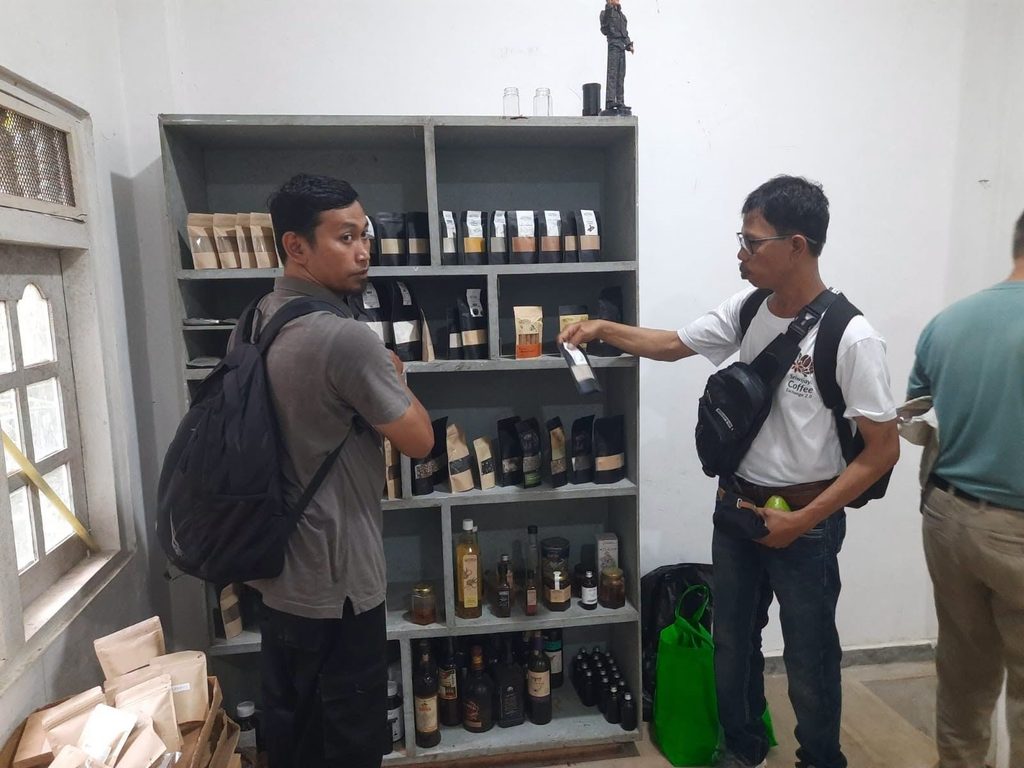
As part of the Learning and Knowledge Exchange Programme on Analog Food Forestry and Value-Added Products in Sri Lanka, Indonesian practitioners visited yesterday (03) Forest Garden Organic in Rambukkana and the Community Development Centre (CDC) in Aranayake to explore practical approaches to biodiversity-based food production, traditional crop conservation, community empowerment, and small-scale value addition.
At Forest Garden Organic, participants met founder Mr. Aberathna and gained insights into the design and management of analog food forestry systems, processing and marketing of value-added products, and the role of locally responsive support organizations in strengthening sustainable enterprises.
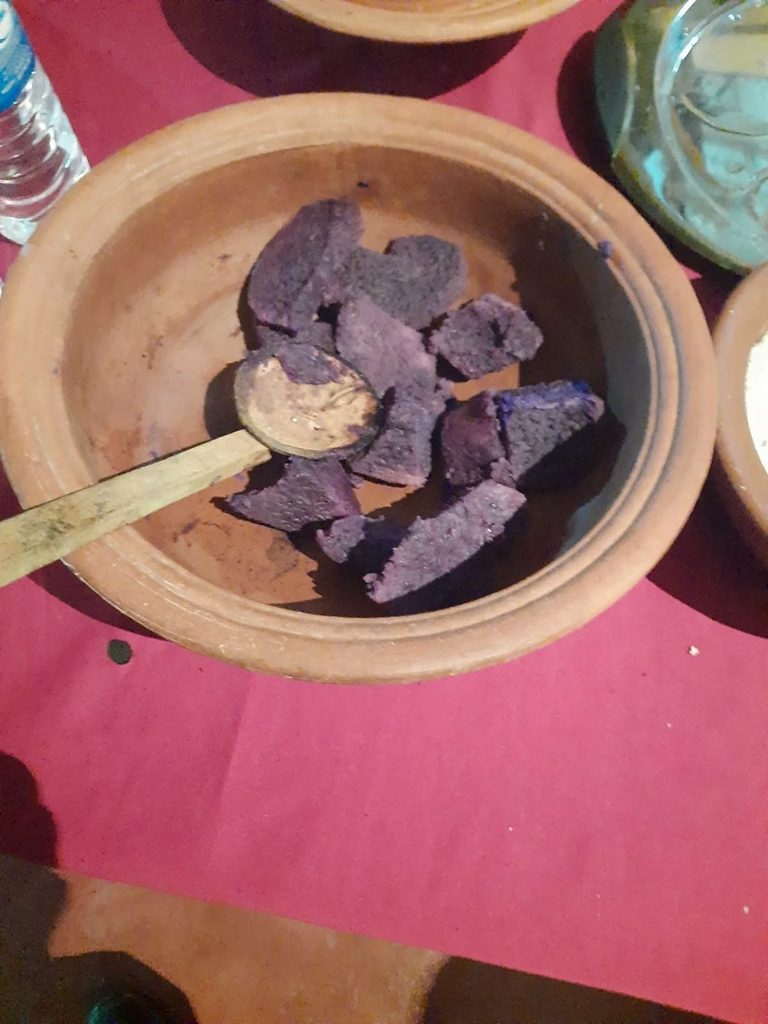
At CDC Aranayake, the team witnessed the remarkable conservation of 56 traditional yam varieties cultivated by women’s groups. The initiative demonstrates how indigenous agricultural knowledge and home-garden cultivation can empower marginalized women, enhance household food security, preserve crop diversity, and create livelihood opportunities through value-added products.
The Lanka Organic Agricultural Movement (LOAM) played an important coordinating role in facilitating this knowledge exchange. Through the coordination of Mr. Ajantha Palihawadana, Special Project Director of LOAM, the programme connected practitioners across Indonesia and Sri Lanka, creating opportunities for cross-country learning, sharing practical experiences, and strengthening collaboration in sustainable agriculture.
The exchange highlighted LOAM’s contribution to promoting organic agriculture, analog food forestry, biodiversity conservation, community-based enterprise development, and the integration of traditional knowledge with innovative livelihood approaches.
Overall, the visits demonstrated how LOAM-facilitated knowledge exchange can strengthen regional partnerships and inspire scalable, community-centred approaches to resilient livelihoods, women’s empowerment, and sustainable food systems.